


Career Talk
| Date: | 11 April 2024 (Thursday) |
| Time: | 6:00 pm – 8:00 pm |
| Venue: | MMW 705 |
| Topic: | A Leap of Faith – Into the Unknown of Your Career Path |
| Speaker: | Dr. WU Ka Chun Eymon |
| Reporter: | Jasamine Lau Wing Yan (Biochemistry year 4 student) |
 School of Life Sciences, the Chinese University of Hong Kong (CUHK) was grateful to have Dr. Eymon Wu as guest speaker in this Career Talk on 11 April, 2024. Dr. Wu is a Postdoctoral Fellow in Faculty of Medicine, University of Hong Kong, as well as an alumnus from Biochemistry Programme, School of Life Sciences, CUHK. During the talk, Dr. Wu has shared his insightful thoughts in research experiences, career path and advantages of Biochemistry major graduates.
Research experience
Dr. Wu thinks the determination in research depends on students’ interest in innovation and discovery. Self-questioning such as “Is this correct? Is this the right direction? Is this what I want to do?” is an inevitable process in research — the exciting journey in reaching out from the comfort zone, bringing the faith, and leaping into the unknown to pursue fact and truth, along with misery, anxiety and pressure.
As biochemistry and biotechnology related degrees offered by institutions are drastically increasing, Dr. Wu encourages students to enrich their education profile by continuing education to demonstrate their ability in research and solving problems in specific fields. He observed some students had unclear ambitions in research and postgraduate studies, so he encourages students to make their decision by making their first try in research by shadowing in relevant laboratories.

Although both postgraduate and undergraduate are treated as students, the nature in two sides is totally different. Undergraduate emphasizes in studying and accumulating basic knowledge, and building up future occupational skills and abilities. On the other hand, postgraduate emphasizes in discovering new knowledge in a specific field to solve complex problems. Starting from solid basic skills acquired in undergraduate, we will soon acquire the most recent and the most complex knowledge, we could claim ourselves as a professional. Dr. Wu recalls his experience in writing grant proposals for his lab during his MPhil, which compiling basic skills and professional knowledge in explaining complex scientific concepts with simple words, to persuade investors to provide grant into your project is not easy.
Dr. Wu emphasizes a lot in interdisciplinary research. “When I was in undergraduate, I have never thought of applying programming and big data into my research, but now I did!” He shared his experience in interchanging research disciplines among his undergraduate and postgraduate career, that interdisciplinary research is very common as other disciplines would be involved to solve the unknown. Therefore, collaboration with professionals in other disciplines is essential to bring promising results and knowledge. Meanwhile scientists should also acquire interdisciplinary skills in terms of communication, presentation, leadership and business knowledge to gain advantage as well.
Doing research is exploring the unknown. Dr. Wu advises students to question and ask in every circumstances. Besides from reading books and research articles, we could ask from the professionals by easily approaching them through email or LinkedIn to seek answers. Meanwhile, Dr. Wu also advises students to question themselves during research. “Is this the correct way to ask question? Is this the right way to solve this problem? Is this my favorite research discipline?” We must obtain these answers from ourselves for the next question, to expand our comfort zone to explore the unknown. When we equipped with sufficient ability in research, we could grasp the opportunity to achieve our meaning of life we genuinely enthuse on, with persistence, no hesitation under perfect timing and luck.
Career Path
Besides from research, Medical Laboratory Technologist is a very common occupational choice for students who would like to be professional in laboratory techniques. Dr. Wu thinks the license of Medical Laboratory Technologist is very useful with the ability of issuing laboratory report and medical and clinical biochemistry techniques, which is advantageous in working in laboratory and research assisting jobs. Besides, scientists in laboratory management are essential to maintain standard of procedures (SOPs), good manufacturing practices (GMPs) and quality control (QC) to minimize errors in each experiment.
For students with less interest in experiments, they could work in administration work in assisting in laboratory flow and research. Besides from assisting in GMP design, ISO accreditations, QC and research related law (for example, Animal experimental ethics), there are also commercial based laboratory assisting job to develop or introduce laboratory machines and materials, and sell them to laboratory supervisors and personnel.
Dr. Wu thinks the current trend emphasizes in applying research findings into products in realty to solve problems in society. In order to protect intellectual property of the product, lawyers with biochemistry and biotechnology knowledge are proficient to apply law so as to protect inventor’s rights and return. This could promote biotechnology development and encourage venture capital investing into STEM innovation market.
Advantages of biochemistry graduates
 As Hong Kong Government is promoting STEM innovation, the market shall have elevating demand of related job openings, therefore it is not hard to get employed. However graduates still have to compete with foreign and postgraduate professionals, therefore license accredited jobs (such as Medical Laboratory Technologist) would be more secure for an offer. On the other hand, the market has increasing demand in talents with knowledge in intellectual property and patents in order to protect research results and profits, especially for those who simultaneously acquire skills in science, art and communication.
Conclusion
Dr. Wu finally reminds students to follow their hearts and dream high, reflect on their aspirations, and bring on with the faith to achieve across the unknown.
香港中文大學生命科學學院很榮幸邀請到生物化學課程舊生胡嘉雋博士,向同學演講職涯規劃講座。胡博士現職香港大學李嘉誠醫學院博士後研究員,分享了研究心得,職業出路及生物化學同學之優勢等資訊,讓同學獲益良多。
研究心得
胡博士認為同學決定踏出研究的道路,視乎同學是否喜歡創新、發現的過程,要不斷問自己,到底這件事是否正確?到底這個方向是否正確?到底自己是否喜歡做這件事?然後不斷突破自己的舒適圈,帶著信念在未知的世界闖蕩求真,伴隨著未知、迷茫、緊張、壓力的情緒下面對不熟悉的環境和事物,最後把信念成真的過程。
隨著提供相關知識的學位及文憑課程越來越多,胡博士鼓勵同學繼續進修來裝備自己的學歷,展示自己利用相關知識來探究、解決問題的能力。他觀察到有些同學對於自己未來在研究院的目標不清晰,忽略自己對於研究的熱誠,所以他鼓勵同學在疑惑的時候踏出第一步,嘗試尋找在實驗室做研究的機會,再決定是否在未來幾年做研究。
在研究院進修與本科生的本質完全不同。本科生讀書以累積基礎知識,培養未來工作能力為主,而研究生則在專一的範疇中發掘新的知識,解決更困難的問題。當在特定的範疇中學習到的知識和資訊越來越貼近當刻的時候,你的知識可以讓你成為該範疇的專家,而本科時學習的基礎知識是不可缺少的。他在研究碩士的時候為實驗室撰寫研究經費計劃書,才發現把科學理念簡化成精警的文字來說服投資者投資你的項目上,基本功和專業知識都是不可缺少的。
胡博士非常強調,跨範疇 (interdisciplinary) 的元素在現今的研究中是不可缺少的。「我在中大修讀本科的時候,完全都沒有想過會有接觸程式設計、大數據等與生物科學無關的東西,但是我現在全都把他們應用在我的研究上。」他以自身例子向大家說明,在研究範疇之間不斷轉換是很普遍的事情,因為研究一個範疇的時候總會牽著到另一個範疇的知識,但人的知識有限,要在其他研究突圍而出就必定要向其他範疇的專家請教、合作來發掘嶄新的知識。而科學家單單具備科研的能力遠不足夠,同時擁有溝通能力、表達能力、領導技巧、甚至商業知識等跨範疇技能都是發展科研的優勢。
從未知中探索是研究者每一刻正經歷著的事情,所以胡博士鼓勵大家必定要勇於發問。除了多閱讀書本和研究論文,還要從專家中獲得答案。現在資訊科技發達,以電郵,或LinkedIn 的方式接觸其他專家是非常容易的事情,所以真的不用擔心自己的疑問找不到答案。其次,是向自我發問。在研究上,我到底是否以正確的方式問這個問題?這個方向來解答這個問題正確嗎?這個範疇的探究是否我理想中喜歡的?我們必須獲得從這些問題中獲得答案,才能夠進一步問下一個問題,擴闊我們的舒適圈,探索未知。只要裝備足夠的能力,就能把握機會,做你真誠地喜歡的事,就能孜孜不倦地堅持下去,掌握時機和運氣,成就自我人生意義。
職業出路
除了研究以外,如果同學希望累積做實驗的的技術為專業,醫務化驗師也是很熱門的選擇。他認為即使考獲相關資格後任職其他職業,仍然有發出化驗報告的能力,以及相關的醫務化驗的知識,在未來任職支援實驗及研究的職業中也有一定的幫助。除此以外,管理實驗室也需要有豐富的經驗來確保實驗室的流程及結果的品質一致,把失誤減到最少。
對於實驗興趣不大的同學亦可以任職實驗支援的行政工作。除了協助管理實驗室流程設計、ISO認證、品質控制及實驗相關法律(如動物實驗道德)等行政工作,也有以商業為主的科創工作,開發或引入嶄新的實驗室儀器和材料,並介紹給實驗室老闆及人員使用。
胡博士認為科研的趨勢更重視理念實體化,把科研成果應用在不同的產品或服務上,解決社會上的各種問題。為了保護知識產權,認識法律和生物化學及生物科技的律師就能透過法律保障發明者的權利和收益,促進科技發展之餘,也可以幫助資助者投資科創市場。
生物化學同學之優勢
香港政府大力發展科創,相關的職位需求應該大幅增加,所以獲聘並非難事,不過仍然要面對地及研究院畢業的人才的競爭,所以有牌照認證的工作(如:醫務化驗師)會較為有保障。而市場對於認識知識產權及專利相關的人才都有需求,因為能夠保護研究成果和利益是現時創科市場很渴求的,而同時擁有理科、文學、溝通等能力的人才是非常珍貴的。
結論
胡博士最後希望大家每一刻都要好好思考自己的心之所向,對理想有清晰的目標,只要攜著信念向未知探索,就能隨心向未來翱翔。
| Date: | 14 November 2023 (Tuesday) |
| Time: | 5:30 pm – 7:30 pm |
| Venue: | MMW 707 |
| Topic: | Business and Finance Career Paths for BCHE Graduates |
| Speaker: | Mr. PANG Hiu Fung Kenneth |
| Reporter: | Momoko Lai Lok Yin |
The Past Dream
 Different from others, after graduating with BSc with a Bachelor’s Degree of Science in Biochemistry, Mr. Pang Hiu Fung, Kenneth has decided to pursue his Master’s Degree in Finance. However, throwing back to the days when Kenneth was in his first year of undergraduate, he definitely never anticipated being a part of the financial industry.
In the past, alike with many biochemistry students, Kenneth initially would like to transfer his major to Medicine with his outstanding GPA score during his undergraduate life. He was so insistent that even he gave up the chance to do an exchange at the University of California, Berkeley, just because the interview date of the medicine application crashed with the exchange period. Despite receiving the opportunity to have an interview, unfortunately, the professors rejected his application. Still, he didn’t give up but kept studying hard for his medical dream, until his internship at Prince of Wales Hospital changed his opinion.
During his time at Prince of Wales Hospital, Kenneth realized that working there and even pursuing a career in the medical field would not bring him personal fulfillment and satisfaction. Therefore, he decided to postpone his bachelor’s degree graduation time to explore more new opportunities by applying for internships in various fields, such as finance and marketing internships.
Stepping Out of the Comfort Zone
‘I did three internships in my final year. And I know many people believe that deferring your graduation would be difficult, but actually you just have to retain one major required and one major elective course unfinished in your final year to do so. This allows you to have more time for internships,’ Kenneth shared his experiences and strongly encouraged us to try more new things by pursuing internships.
‘Due to the COVID-19 pandemic, various political issues, and discrimination problems, I decided to pursue my master’s degree in CUHK instead of studying aboard. However, I have no regrets about this choice because there is a strong network of alumni here, who are always willing to lend a hand when it comes to finding a job after graduation.’ Kenneth once again emphasized the importance of having interpersonal connections if you would like to be a part of the financial field.
Words for the Juniors
 1. Never underrate yourself
‘I understand that you, being a Biochemistry student may feel inferior to those who study finance. Although being a part of the financial field requires you to be aggressive and have good presentation skills, as a student of the second-top university in Hong Kong, you already possess a fully advantageous ticket,’ Kenneth reiterated his encouragement for us to step out of our comfort zones with confidence, but not cutting corners.
How to broaden your horizons? Participate in different activities actively! ‘As business professionals often say, the best way to learn is to fully “SQUEEZE” all the experiences gained from those activities and strive to “ABSORB” valuable skills and knowledge as much as you can.’
2. Know yourself well
As I mentioned earlier, engaging in internships is the key to discovering your true aspirations for the future,’ Kenneth pointed out that society is cruel: compare and despair.
‘It is correct that schools are the epitomes of society, but only to a limited extent. Since you would not face various complicated interpersonal relationships at school, maybe just often encountering only free-riders. Nevertheless, when you enter the workplace, especially in companies with diverse backgrounds and cultures, your personal growth will accelerate at an incredible pace.’ So please take action now, and don’t sell yourself short! Submit your applications and build up your resume as quickly as possible! Remember, while “zero” and “one” may appear similar, there is a substantial difference.
3. Be courageous, humble, and thick-skinned
Kenneth specifically mentioned three characteristics we should have as an ambitious person: courageous, humble, and thick-skinned. ‘Again, widen your social circle. There are a lot of CUHK alumni, so try to connect with those who share similar experiences or backgrounds with you. For instance, if you attended my career talk today, you already have an opportunity to reach out. It’s normal to feel fear and hesitant when talking to someone you’ve just met, but remember, you have nothing to lose. Just give it a try!’
4. Technically well-prepared
‘The society is so extreme and competitive, so you have to be well-prepared before doing everything.’ As the saying goes, you can have many chances and opportunities at school. However, you only have one in the workplace. ‘Practice makes perfect, meaning you have to gain experience from internships so that you won’t fall into traps when you are a fresh graduate.’ Kenneth reminded us only we have experience, we can understand the real atmosphere and environment.
‘In today’s society, which is marked by extremity and competition, it is crucial to be well-prepared before doing everything,’ Kenneth emphasized. As the saying goes, you may have multiple chances and opportunities while in school, but in the workplace, you typically have only one. ‘Practice makes perfect, meaning that gaining experience through internships is essential to avoid falling into traps as a fresh graduate. At the same time, don’t take everything for granted.’ Kenneth reminded us that we can only feel and understand the atmosphere and environment through cherishable experiences.
5. Go for an exchange
Do not miss any chance for overseas exposure since it is undoubtedly a good chance for you to discover your strengths and your weaknesses.
昔日夢想
與其他人不同的是,Pang Hiu Fung先生在獲得生物化學理學士學位後,決定攻讀金融碩士學位。 然而,相信當時就讀本科一年級的Kenneth也沒有想到未來的自己會成為金融業的一員。
起初Kenneth與許多生物化學的學生一樣,希望憑藉本科優異的成績可以成功申請到醫學院就讀。當時的他堅持不懈,甚至因為醫學院面試的日期與交換期間相撞,而選擇放棄了到加利福尼亞大學柏克萊分校(University of California, Berkeley)交換的機會。 可惜的是,儘管Kenneth獲得了面試的機會,醫學院的教授拒絕了他的申請。他秉持著堅毅不屈的精神,並沒有一次失敗而就此放棄,反而為了自己的醫學夢更加努力地學習。殊不知,一次在威爾斯親王醫院的實習竟徹底改變了Kenneth對於自己職業的想法。
在威爾斯親王醫院實習的期間,Kenneth意識到在那裡工作,甚至從事醫療領域的職業生涯並不會給他帶來個人成就感和滿足感。 因此,他毅然決然地推遲學士學位的畢業時間,把握時間去申請各領域的實習,從中探索更多新的機會,例如金融和行銷類型的實習。
踏出舒適圈
「我在最後一年做了三份實習。我知道很多人認為延遲畢業會很困難,但實際上你只需要在保留各一的必修課和選修課未完成就可以了。這樣你們就有更多的時間去做實習。」Kenneth 分享了他的經驗,並強烈鼓勵我們透過實習來嘗試更多新事物、擴闊視野。「由於當時新冠肺炎肆虐,伴隨著各種政治和歧視問題,我取消了原本去外國留學的想法,最後決定了在中大完成我的金融碩士學位。但是我並沒有後悔這個選擇,因為中大擁有強大的校友網絡,他們十分願意為畢業生提供就業的幫助,給我了提供不少意見。」Kenneth再一次強調了,如果想成為金融業的一份子,擁有一個良好的人際關係是必不可少的。
給師弟妹的話
1. 永遠不要低估自己
「我明白,作為一個修讀生物化學的學生,你可能會認為自己根本比不上金融系的學生。雖然要在金融界生存,必須要有上進心以及流利的表達能力,但是你們作為香港裡排名第二的大學的學生,其實已經比其他人佔很大的優勢了。」Kenneth再次鼓勵我們走出自己的舒適區,自信的同時也要切記不要投機取巧。
說到如何開闊自己的視野?當然是積極參與各種活動。「正如就讀BA的人所說的那樣,『用盡』每一個學習的機會,盡可能『吸收』當中所學到的技能和知識。」
2. 充分了解自己
「正如我之前提到的,只有透過實習才能讓你知道自己未來想要什麼。」Kenneth指出,現實社會是殘酷的:有比較就有傷害。「沒錯,學校的確是社會的縮影,但只是一小部分。在學校裡,你基本上不會面對像職場上各種複雜的人際關係,只會偶爾遇到Free-rider。然而,當你踏入職場,尤其是在具有不同背景和文化的公司時,你將會成長很多,這就是我一直叫你們把握去做實習的機會的原因。」
所以現在行動起來吧,不要低估自己的能力,大膽去申請各類型的實習,以豐富自己的履歷表。你要記住,「零」和「一」看起來可能很相似,但兩者之間有很大的差異。
3. 「膽大、心細、臉皮厚」
Kenneth特別提到了作為一個有抱負的人應該具備的三個特質:「膽大、心細、臉皮厚」。「請擴大你的社交圈。中大校友有很多,因此請嘗試與那些與你有相似經歷或背景的人聯繫。例如,如果你今天參加了我的職業生涯講座,那麼你已經有一個機會接觸新的人了。 與剛認識的人交談時感到恐懼和猶豫是屬於正常的事,但請記住,你沒有什麼可失去的。
4. 準備充足
「當今社會如此極端,競爭如此激烈,所以做任何事情之前都要做好充分的準備。」別人經常說,你在學校可以有很多機會去嘗試。然而,你在職場往往只有一次機會。「熟能生巧,就是要從實習中累積經驗,這樣作為一個剛踏入社會的應屆畢業生才不會陷入危機。同時,要有做人應有的態度,不要把一切視為理所當然。」Kenneth提醒我們,只有透過珍貴的經驗,真切地經歷過,才能了解職場真正的氛圍和環境。
5. 申請海外交換
不要錯過任何一個出國留學的機會,這無疑是一個讓你發現自己的優勢和劣勢的好機會。
| Date: | 11 October 2023 (Wednesday) |
| Time: | 5:30 pm – 7:30 pm |
| Venue: | SC L5 |
| Topic: | How to Get an Offer from Local Graduate School(s) for a Higher Degree |
| Speaker: | Mr. YIP Wai Wai Nelson (BSc BCHE; 2022) & Mr. SUEN Long Hin Alfred (BSc BCHE; 2021) |
| Reporter: | Momoko Lai Lok Yin |
Introduction to Postgraduate Programmes
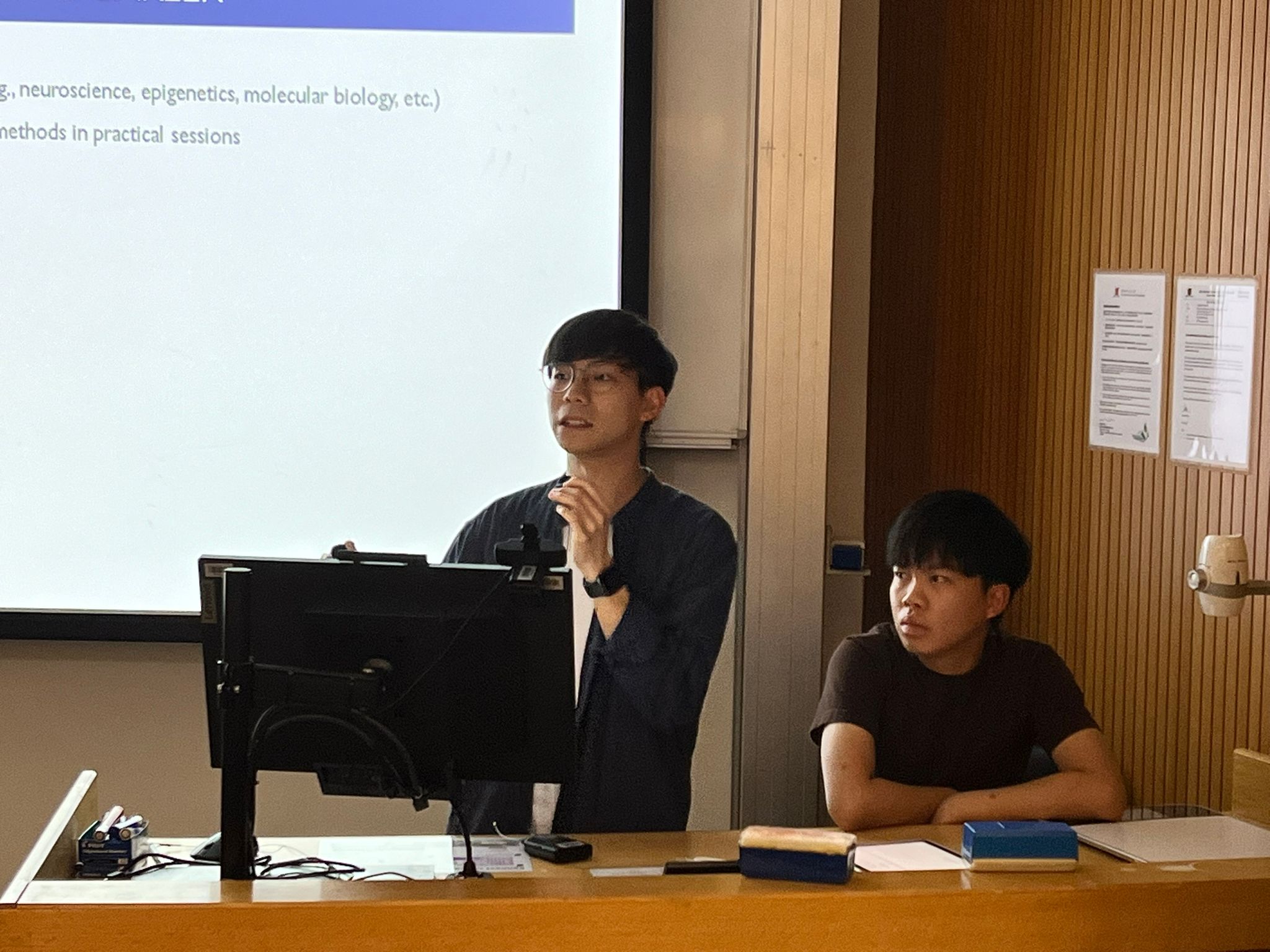 Mr. Suen Long Hin, Alfred, who graduated with a Bachelor’s Degree of Science in Biochemistry first explained the differences between three primary types of postgraduate programmes at the beginning of the career talk. Alfred highlighted that Master of Science (M.Sc.), Master of Philosophy (M.Phil.) and Doctor of Philosophy (Ph.D.) degrees could be categorized into two groups: taught postgraduate (M.Sc.) and research postgraduate (M.Phil. and Ph.D.) programmes. Taught masters’ programmes are meticulously organized and aimed at offering comprehensive and advanced knowledge in a specific field of study, nevertheless, they bear many resemblances to the study approach of a bachelor’s degree. Throughout the semesters, students are expected to attend lectures, complete assignments,
and take examinations. Additionally, they may be required to undertake a research project in a laboratory or engage in literature reviews as part of their graduate thesis. “Research programmes, on the other hand, are much different from the courses you are taking now,” Alfred continued. “In research programmes, students primarily expand their knowledge and make discoveries in their chosen field through active participation in academic seminars and conferences, rather than relying solely onlectures and examinations. Typically, students attend a limited number of lectures per semester, usually around 2-3, while placing a greater emphasis on engaging with latest research findings and discussions through academic events. This approach allows them to stay updated with advancements in their research field and foster a deeper understanding of their subject matter.”
Alfred later reminded students to carefully check and review during their postgraduate application. “Different graduate schools in different universities may use distinct programme titles. For example, the master’s degree programme for studying food and nutritional science at HKU is titled “M.Sc. in the field of Food Safety and Toxicology”, while CUHK offers a programme titled “M.Sc. in Nutrition, Food Science and Technology.” You should understand the similarities and differences between these programmes before proceeding with your application.”
Another Biochemistry alumnus, Mr. Yip Wai Wai, Nelson, who is currently pursuing his M.Phil. Degree in the Pathology Department at the University of Hong Kong, shared his experience in applying for a research postgraduate programme. He provided a detailed timeline for students’ reference.
Application TImeline
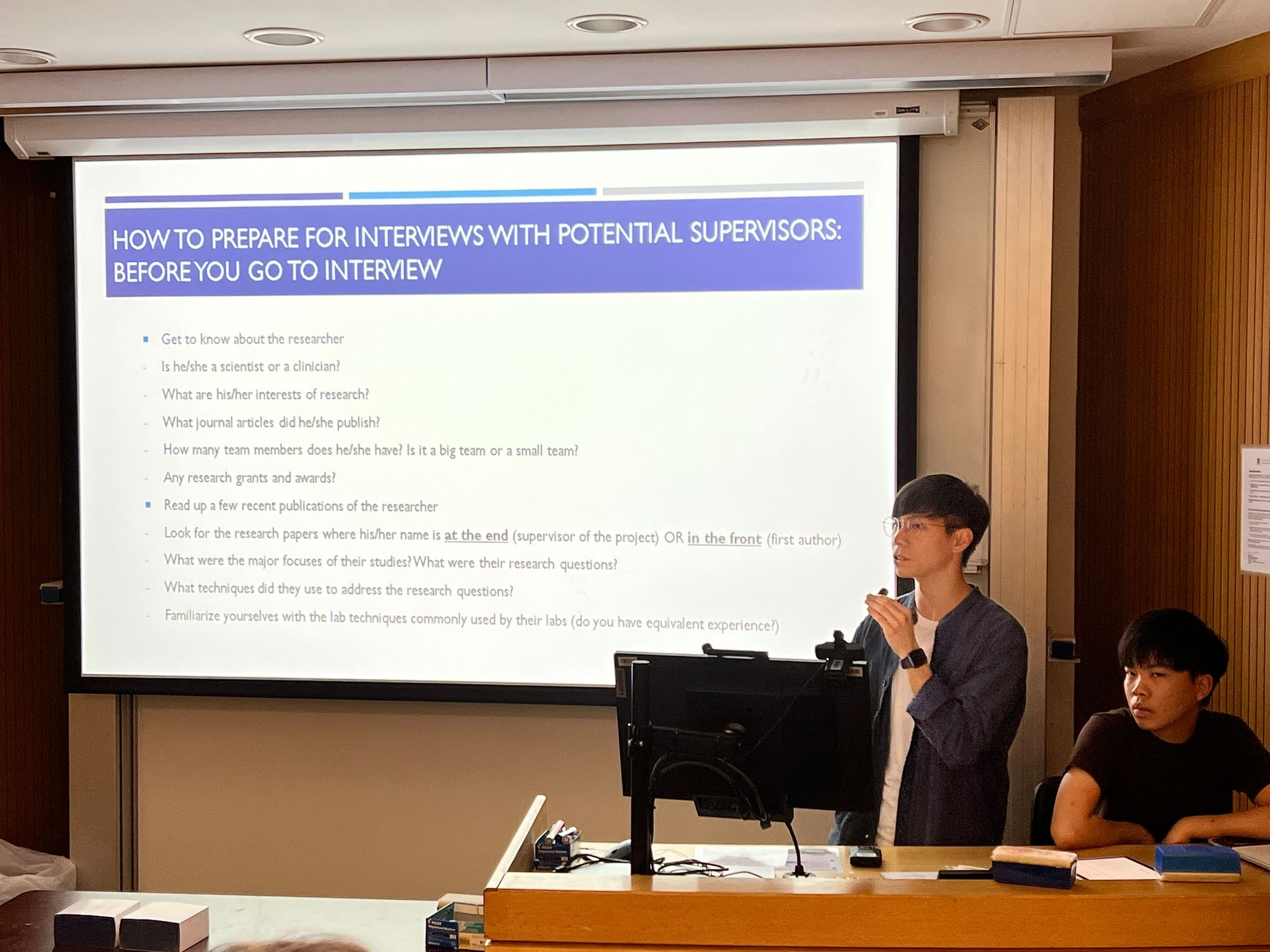
1. Identify your interest
The most fundamental aspect you should do is to study hard throughout your university life. It is important to seize every opportunity to learn different laboratory techniques and methods in practical sessions. Simultaneously, you can explore more about various areas of research, such as neurosciences, molecular biology, epigenetics, and more. There are numerous ways to broaden your eyesight, including participating in academic seminars and competitions like iGEM (International Genetically Engineered Machine Competition), reading extensive research papers, and undertaking an experimental final-year project. These are definitely help acquire more knowledge and skills.
2. Browse programmes
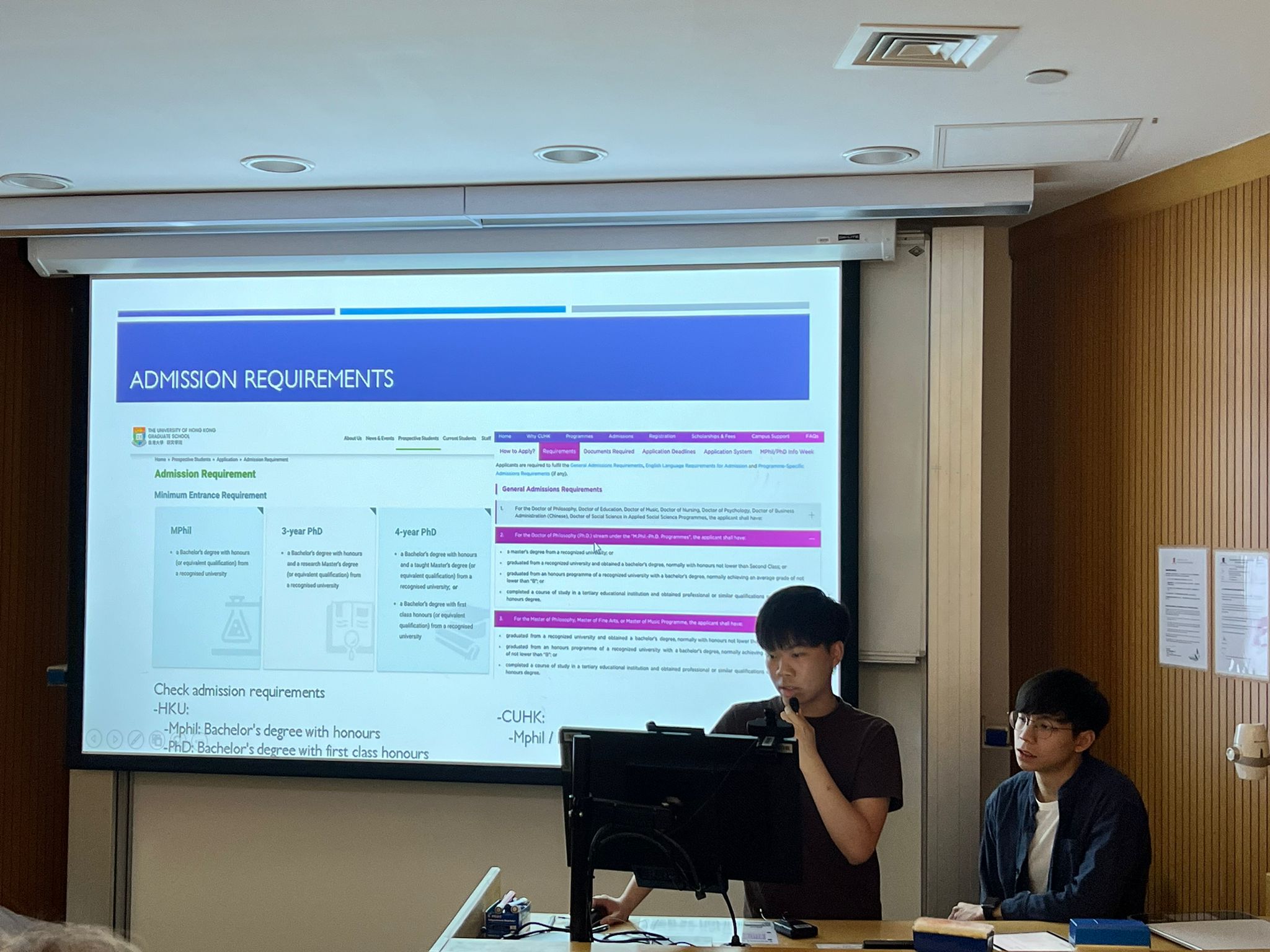
After finding out your interest research area, you should check the admission requirements of the universities.
Two useful links for graduate schools of CUHK and HKU:
CUHK: https://www.gs.cuhk.edu.hk/admissions/programme/science
HKU: https://admissions.hku.hk/tpg/faculty/faculty-science
3. Check application period/deadline
In research postgraduate programmes, there are two application periods: the main round and the clearing round. You should apply during the main round instead of the clearing round since the latter one is only for those programmes that still have vacancies. Therefore, it would be more conservative for your application in main round. For masters’ degrees, they are usually issued on a first-come-first-served basis, so an early application is preferred.
*Application progress takes time, so you need to take action well ahead of the deadline. For example, start preparing your statements and contacting your potential supervisor in October.
 4. Contact potential supervisors
If you are interested in applying for a research postgraduate programme, it is important to note that you will not directly enroll through the university. Instead, you are required to look for your own supervisor. By searching the academic staff list on different department websites, you can understand what kind of research they are doing, as well as their areas of expertise. This will help you identify potential supervisors whose work aligns with your interests. As there are many candidates every year, it is suggested to meet your potential supervisors to discuss your plan as early as possible (e.g. telephone conversation, email, zoom meeting).
5. Prepare supporting documents
To write an outstanding personal statement, it is crucial to let the reader understand your own story. Your background and specific interest area, reasons for choosing that programme, and how your past research experiences have helped you develop your interest should be included. Remember to explain with evidence to make it more vivid and persuasive.
Meanwhile, politely request a recommendation letter from a teaching staff who knows you well, such as academic advisor or FYP supervisor, along with your CV. Similarly, kindly ask them in advance to allow sufficient time for them to work out the letter.
6. Submit the final application
Sign up to the graduate school after confirming your supervisor.
How to Choose Your Research Group?
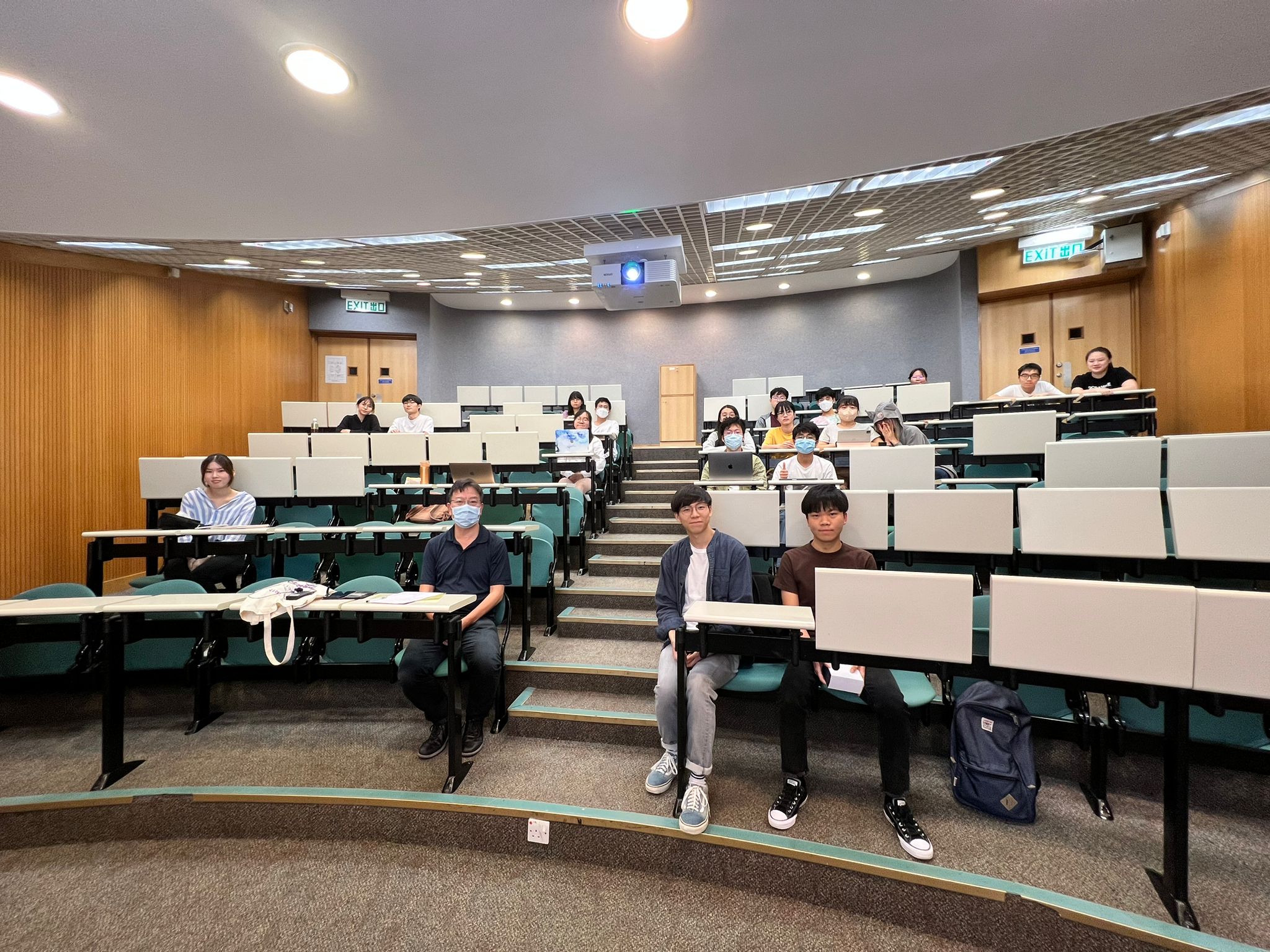
“The most important thing is to select your desired research group. You can consider the following factors,” Nelson suggested.
Here are some main factors:
- Lab style (small- VS mid- VS large-sized lab)
Small-scaled: good communication with principal investigator (PI) – more discussion about your project
Large-scaled: PI may be too busy to visit the laboratory frequently, but you can acquire more techniques - Communication with PI
Meeting frequency matters: Weekly? Monthly? Bi-annually?
This is super important to seek PI’s advice, otherwise you may get lost easily. For example, a laboratory with fewer meetings is more suitable for people with good problem-solving skills.
- Atmosphere of the research group
Would it be too intense or competitive for you? Sometimes you may need to work as a team – do you feel comfortable working with people there? - Publication records
You can search the journals published by the PI using the impact factor, which is an indicator of whether the research article is good or not. Also, the date of publication is also significant to reflect whether the scholar is still active or not. (e.g. within 5 years) - Fundings
You can find it on the PI’s website.
Questions for Getting Well-Prepared in Interviews
- Why are you interested in the research field? What intrigued you?
- Do you have any experience in doing similar lab work?
- Why should you be chosen to join the laboratory?
- Why did you choose our lab?
| Date: | 27 March 2023 (Monday) |
| Time: | 6:30 pm – 8:30 pm |
| Venue: | LSB C4 |
| Topic: | Am I Doing What I Want? Me and my Career |
| Speaker: | Dr. CHOI Pui Wah |
| Reporter: | Momoko Lai Lok Yin |
A) From an Undergraduate to an Entrepreneur
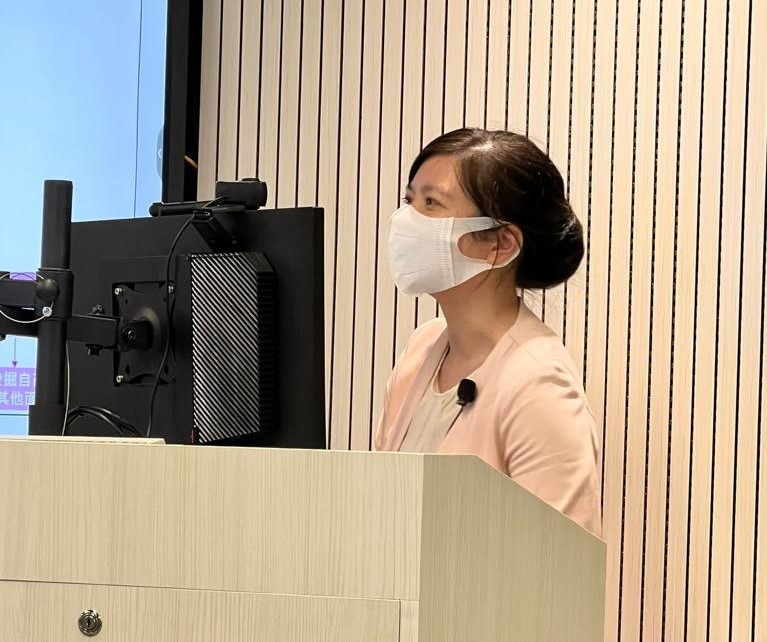 “At the beginning of the world, there were three people, Snow White, Dwarf Happy, and Price Edward. This was what happened when the first three humans ate the first apple. There was an apple on the table. Snow White took a bite of it and was in a coma immediately. Dwarf Happy came home and ate one pack of biscuits. Then he took a bite of the same apple. After 4 hours, he was in a coma. In the end, Prince Edward came and also took a bite of the apple. He felt great that he kissed Snow White who was in a coma. Snow White woke up.”
‘Before I start, I hope you can give me a hypothesis based on this story.’ Dr. Choi Pui Wah is a Biochemistry Ph.D. graduate from CUHK, and she later went for postdoctoral training at Harvard Medical School in the United States. After returning to Hong Kong, she set up WomenX Biotech Limited, a biotechnological company that mainly uses menstrual blood to explore gynecological diseases, including ovarian cancers. At the same time, Dr. Choi puts great efforts to manufacture a Hong Kong-based sanitary pads production line, La Rosée, to create safe and comfortable feminine products while enhancing overall awareness of women’s health.
From a normal biochemistry undergraduate to an entrepreneur, like all of us, Dr. Choi also has experienced the time with frustration and loss. She keeps asking herself: What kind of person does she want to be? Are there any methods to let her explore herself and know what she wants? The story mentioned above is one of the questions in the WomenX job interview. Dr. Choi initially thought every participant would have similar answers, however, she received several surprising responses. The out-of-the-blue subverted her previous mindset. She realized that thinking and analysis between people and people could be so different, leading to divergent answers based on the same question.
B) Finding Yourself
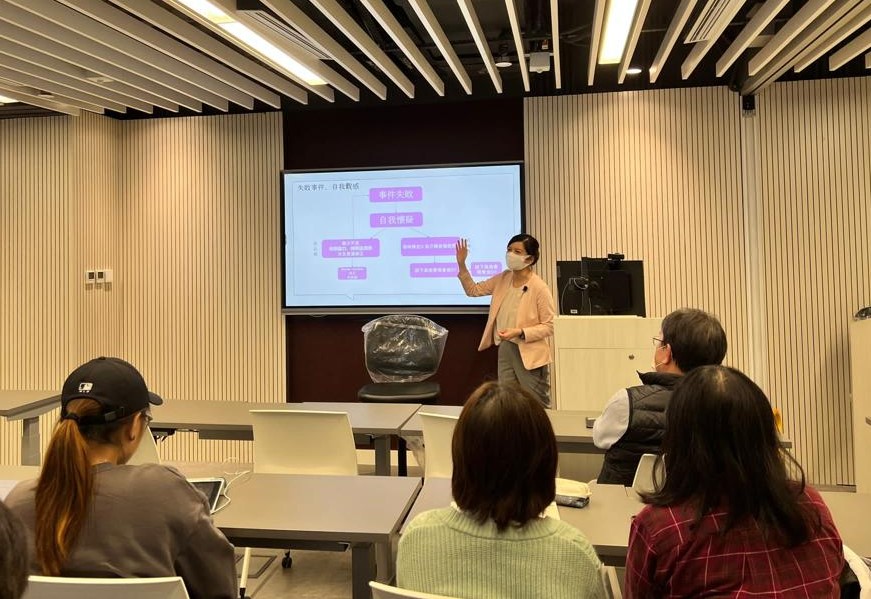 Dr. Choi also pointed out the highlight of the career talk. ‘Only when you find a job that matches your personality, you can work steadily instead of changing your job at a high frequency. It would be a big problem if your personalities and your job are contradictory.’ She also suggested we make use of online personality tests to figure out who we are and which type of jobs are suitable for us. One of her employees was expected to write a review article for the company within a month but ended up with one and a half years to finish. Despite that employee was hard-working, he didn’t own the characteristics of a scientist or understand the research methodology and concepts. Thus, he spent lots of time doing amendments during that 18-month period. Dr. Choi later found out he actually could have excellent performance when he was told to handle some clinical research work.
Meanwhile, Dr. Choi reminded us that we should never be afraid when we encounter obstacles in our career pathways. ‘It is normal for people to suspect their self-ability after facing failure, but after that, rather than wasting time to blame yourself, you’d better get rid of that vicious cycle and try more new things so you can explore your astonishing talents.’ We should all remember, having a positive attitude is the key to achieving ourselves.
C) Prospects for Biotech in Hong Kong
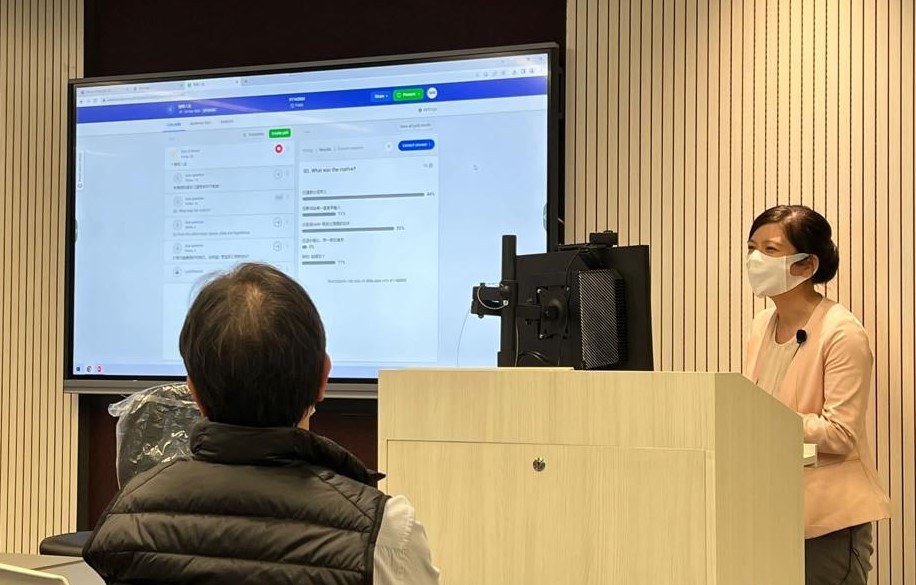 With the rapid-paced development of science and technology in Hong Kong, Dr. Choi, being a female scientist, believes that there definitely will be more and more working opportunities for science graduates in Hong Kong, especially in the aspect of biotechnology. According to the latest Policy Address, the amount of funding for biotechnology and scientific research would be increased to 6 billion, while that for Artificial Intelligence would be only 3 billion. These numbers indicate the government is supporting biotechnology development to a larger extent than other aspects in Hong Kong, creating the city into a new start-up for biotechnology.
In addition, there are now more than 250 biotechnology-related companies in Hong Kong, but only around 730 science graduates altogether each year. ‘Obviously, this is the problem of demand and supply. You can imagine, 730 over 250, approximately 3 graduates in each company. The supply is super insufficient so that it would be easier and easier for you to find a job in the future.’
D) Tips for Writing a Resume
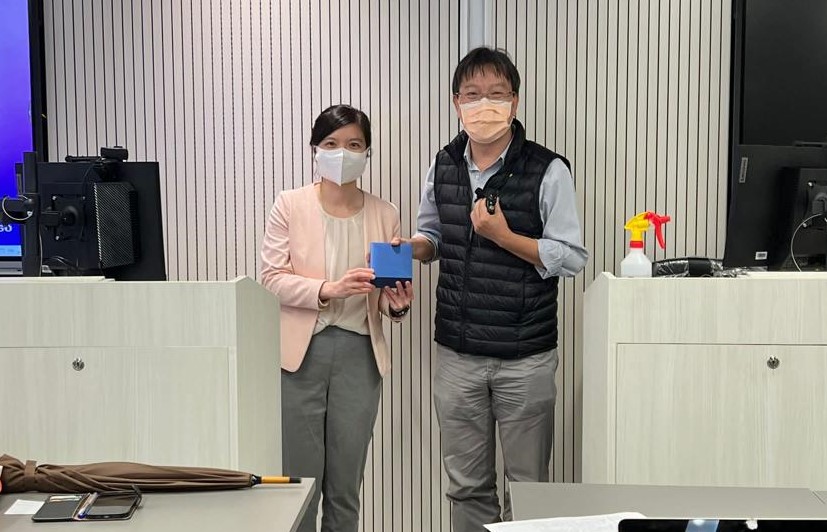 1) Study the job advertisement carefully
When you submit your resume, make sure that you are sending something relevant to the job requirement. Some enterprises, especially those that are large-scale would use Artificial Intelligence to check your resume. If there are any relevant points or keywords, your application may have a larger chance to be accepted.
2) Insert a summary to introduce yourself
You can use 5-6 lines to describe your personality and characteristics to show what kind of person you are. Although GPA is important, please always remember having nice mindset is much more important than that.
3) Provide sufficient evidence
When mentioning your past experiences, you should add some evidence to prove that the incidents have happened.
4) Include the name of the supervisor of your final year project
You may think your final year project is a mess, so you do not want to mention the name of supervisors. Instead, the whole industry knows what is happening and they actually do not mind your failure. Including the name of the supervisor shows the employer that you are proofing you did hard work and learned something through the project.
‘Ask yourself: do you really love it? If yes, then stay strong and keep it up.’ Now, it’s time for you to think: Are you doing what you want?
(A) 從本科生到創業者
「在世界的起初有三個人,他們分別是:白雪公主、小矮人和王子,事情源於他們仨吃了第一個蘋果。白雪公主咬了一口放在桌子上的蘋果,就立刻陷入了昏迷。小矮人回家後,先吃了一包餅乾,隨後也咬了一口同一個蘋果。四小時後,他陷入了昏迷。而王子回家後也吃了同一個蘋果,但他感覺很好,並親吻了處於昏迷中的白雪公主,然後白雪公主就醒來了。」
「在開始之前,我想大家根據這個故事作一個假設。」蔡佩樺女士畢業於香港中文大學生物化學系博士,後赴美國哈佛醫學院進修。回香港後,她成立了一間生物科技公司 WomenX Biotech Limited,主要利用經血來研究婦科疾病,包括卵巢癌。同時,蔡博士致力打造由香港製造的衛生巾生產線 La Rosée,以打造安全舒適的女性用品,以及提升人們對女性的健康意識。
從平凡的生物化學系的本科生,如今搖身一變,成為了創業家,蔡博士當中也跟我們一樣,沮喪過、迷失過。她不斷問自己,到底她想當個什麼樣的人?有何途徑能讓她探索自我,知道自己心中真正所想?上述的通話故事正是WomenX 的面試題目之一,蔡博士本以為每個應徵者的答案都應大同小異,但豈料當中竟有數個出人意表的回答。這顛覆了她先前的假設,更為她的職業路向挑起了一盞明燈——她意識到人與人之間的想法和思維模式可以是截然不同的,才會衍生出同一個問題,不同的答案的情況。
(B) 尋找自我
蔡博士以一句話點明了整場演講的重點:「你要找到與你性格特質相符的職業, 才能有穩定的工作,不用頻繁轉工。當你的性格與工作有所矛盾時,就會出大事。」她還建議我們利用網上的人格測試來了解我們自身的性格,以找出適合我們的工作。有一次,她公司裡的一個員工被要求在一個月內完成一篇文獻綜述,但最後竟花了整整一年半的時間。事實上,該員工非常勤奮,但他缺乏的,是作為科學家應該要具備的特質,以及相應的研究方法及理念。於是,在那一年半裡,他花了很多時間去修改文章。其後,蔡博士才發覺,當他被指派處理有關在臨床研究上的工作時,也可以有優越的表現。
與此同時,蔡博士提醒我們,不要懼怕在工作上遇到的困難和阻礙。「在遭受挫折之後,人難免會質疑自己的能力,這很正常。但之後,與其浪費時間去責怪自己,倒不如從這個惡性循環裡逃出來,去嘗試新事物,發掘一些令你意想不到的才能。」我們都應謹記,保持積極的心態才能成就自我。
(C) 香港生物科技的前景
隨著香港的科技發展日新月異,作為一名女性科學家,蔡博士相信香港的理科畢業生將會有更多就業機會,特別是在生物技術方面。根據最新的施政報告, 生物科技和科學研究的資助額度將增加到 60 億元,而人工智能的資助額度只有30 億元。這些數字,政府對生物科技發展的支持程度高於其他方面,並致力支持令香港成為生物科技的新起步地。此外,香港現時有超過 250 間生物科技相關公司,但每年理科畢業生總共只有約 730 人。「明顯地,這是供應與需求之間的問題。你可以想像,730 除以 250,每個公司大約只有 3 名畢業生,可謂供應超級不足,所以其實將來找工作會變得越來越容易。」
(D) 撰寫履歷表之小貼士
1) 仔細查看招聘廣告的內容
提交履歷的時候,記得要確保自己所寫的是與該工作的要求有關的。有些企 業,尤其是大企業,會用人工智能去檢查你的履歷,如果你的履歷上有相關的重點或關鍵字,那麼你就有較高的機會應徵成功。
2) 撰寫簡短的個人介紹
你可以用五至六行的篇幅來描述你的性格和特點,以展現你是一個什麼樣的人。雖然 GPA 的確很重要,但要記得,擁有良好的心態更為關鍵。
3) 提供充足的證據
記得用一些證據去證明你所提及的過往工作經歷是真實的,而並非輕描淡寫。
4) 寫上你畢業論文指導老師的名字
即使你覺得你的畢業論文做得一塌糊塗,難登大雅之堂,故此選擇不必去提及指導老師的姓名,但其實整個行業都知道畢業論文大概是怎麼一回事,也不太介意你的失敗。寫上指導老師的姓名,其實是向僱主證明你在論文裡面確實有下苦功、並在過程中學到知識。
「你要問自己,你真的喜歡這份工這個行業嗎?如果你喜歡,那就撐下去。」現在,是時候想一想,你所做的,是你心之所向的嗎?